The film As Above, So Below is a war machine of deterritorialization, a nomadic assemblage that shatters the arborescent structures of classical horror. It is a post-cinematic schizo-rupture, a descent not into a physical space but into a desiring-machine. It is a process that mirrors the re-traumatization that constitutes a feedback loop of libidinal energy, where the body-without-organs fires on all cylinders to protect itself by relocating the divide between past and present. The film's protagonist, Scarlett, is an obsessive modern-day Lara Croft, a desiring-production in search of the Philosopher's Stone. Her quest is a line of flight, a nomadic movement through a coded Oedipal structure. With her crew of urban explorers, she descends into the Paris catacombs, a molar aggregate of tunnels and crypts. The film establishes its central rule immediately: the only rule is to break them. Upon entering, a tunnel collapses, only for the group to emerge into the very same room they just left. This is a perpetual motion machine, a desiring-production that has short-circuited its own telos. Trapped, they are forced to confront their desires as they descend/ascend the underground structure.
As they descend, the explorers are haunted by apparitions from their past. The boyfriend's drowned brother appears, a disembodied echo, a partial object that transforms solid ground into water. These are not ghosts, but rather materialized projections of a psychotic vision, a deterritorialized flow of guilt and narcissistic obsession that has broken free from its subjective coding and infected reality itself. This is the body-without-organs, a plane of consistency where desire and reality are one, and the only escape is a leap of faith into an unknown, fluid, and chaotic state.
A traditional ghost narrative, a representation of a frustrated and Oedipalized subject, operates on a clear dialectic. The ghost, a transubstantiated echo of a wrongfully killed individual, gains power by percolating in trauma. It seeks to balance metaphysical scales of justice, a bureaucratic function of the symbolic order. The ghost is a trace element, an unrepresentable that leaves signs of its presence—a chair moved, a vase pushed off a table—in order to force the living to do the work of its integration into the collective consciousness. The ghost is seeking to be made whole, to find its proper place in a symbolic order.
The materializations in As Above, So Below reverse this dialectic. They are not physical objects that have become unrepresentable; they are unrepresentable, repressed guilts that become material. These are not ghosts, but rather psychotic visions, a deterritorialized flow of desire. They originate from an un-representable trauma and leak into matter. The underwater sounds, for instance, are a partial object, a loose edge of a fuller memory that dislocates trauma from its hidden vault. This fragment functions like the tip of an iceberg, a sign that the full flow of desire is still to come.
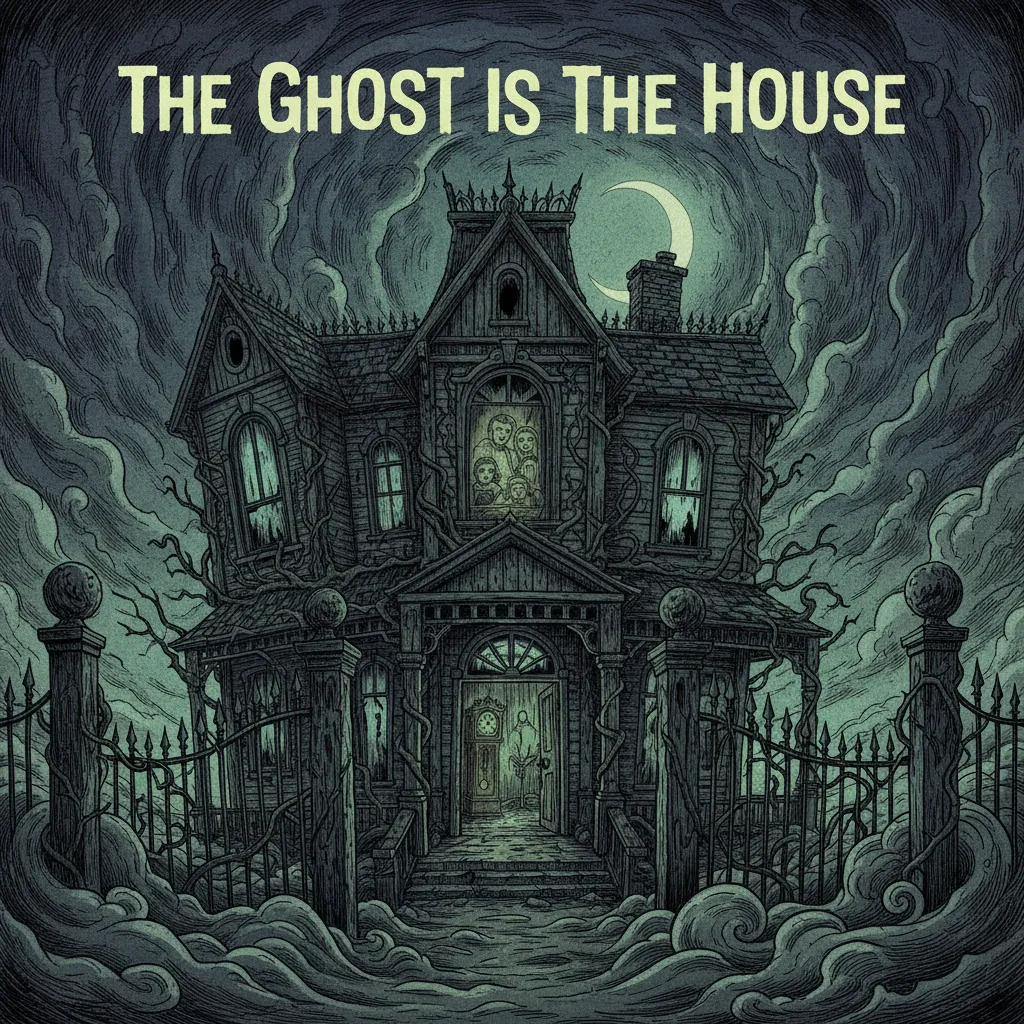
Unlike the traditional ghost narrative where the haunted have an opportunity to research the mystery, the explorers in As Above, So Below are confronted with the full effect of their trauma without the necessary analytic work to integrate it. The haunting takes on the effect of a re-traumatization, a feedback loop of libidinal energy. The mind/body split is a useful concept here, as the film presents a breakdown of this barrier, where the mind's thoughts and memories not only inform the perception of the physical world but literally reshape it. The concrete cave is able to contradict its own primary qualities, a parallel to the postmodern notion of the arbitrary relationship between the signifier (the word) and the signified (the object). The ghost is the house, and the house is the ghost.
Comments
Post a Comment